
Have Questions? Talk to Expert (Binod)
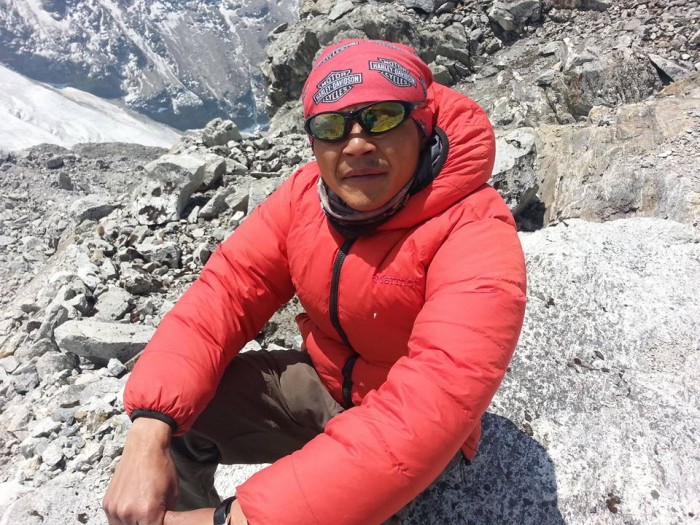
There are adventures, and then there are life-changing journeys that remain in your heart forever. The Annapurna Circuit Trek in Nepal is not simply a trek through the Himalayas — it is a breathtaking experience filled with towering snow-covered mountains, ancient Buddhist culture, dramatic landscapes, peaceful villages, deep river gorges, sacred monasteries, alpine forests, and unforgettable moments of personal achievement.
With Himalayan Adventure Intl Treks, your dream Himalayan adventure becomes a professionally organized, safe, comfortable, and truly memorable expedition led by experienced local experts who know every trail, village, mountain pass, and hidden viewpoint of the Annapurna region.
The Annapurna Circuit Trek is one of the world’s most famous trekking adventures. Every year, trekkers from across the globe travel to Nepal to experience the legendary route that circles the mighty Annapurna Massif. This spectacular trek combines nature, culture, adventure, spirituality, and Himalayan hospitality into one extraordinary journey.
Whether you are a solo traveler, couple, group of friends, family, photographer, nature lover, or experienced adventurer, the Annapurna Circuit Trek offers a perfect balance of challenge, discovery, and beauty.
The Annapurna Circuit Trek is often described as one of the greatest long-distance trekking routes on Earth. The reason is simple — nowhere else in the world offers such dramatic diversity in scenery, culture, climate, and geography within a single trek.
During the trek, you will experience:
The trek offers constantly changing landscapes. One day you walk through green terraced farms and subtropical forests, while another day you trek across dry Himalayan valleys that resemble the landscapes of Tibet.
Every step of the Annapurna Circuit reveals something magical.
Choosing the right trekking company is one of the most important decisions for your Himalayan journey. Your safety, comfort, experience, and overall satisfaction depend greatly on the professionalism and reliability of the trekking operator.
Himalayan Adventure Intl Treks is a trusted local trekking company based in Kathmandu, Nepal, specializing in trekking, mountaineering, cultural tours, and Himalayan adventures. With years of experience organizing treks across Nepal, the company provides world-class service while maintaining authentic Nepalese hospitality.
When you book your Annapurna Circuit Trek with Himalayan Adventure Intl Treks, you receive complete trekking arrangements from arrival to departure.
From the moment you arrive in Kathmandu, our friendly staff welcomes you at the airport and transfers you comfortably to your hotel.
We arrange quality hotels in Kathmandu before and after your trek, ensuring you can relax and prepare properly for your adventure.
All transportation during the trek is organized, including tourist buses, private jeeps, and local transfers according to your itinerary.
Our licensed professional guides are knowledgeable, friendly, and trained in mountain safety, first aid, local culture, and trekking leadership.
Our hardworking porters help carry your luggage, allowing you to enjoy the trek more comfortably.
We arrange all necessary permits, including:
Comfortable mountain lodges and tea houses are arranged throughout the route.
Delicious breakfast, lunch, and dinner during the trek with local and international meal options.
We prioritize acclimatization, hydration, and proper pacing to ensure a safe trekking experience.
Private and customized trekking itineraries are available according to your fitness, interests, and schedule.
Thorong La Pass is one of the highest trekking passes in the world and the greatest highlight of the Annapurna Circuit Trek. Reaching the top is an emotional and unforgettable achievement.
Standing at the summit surrounded by the giant Himalayas is a moment you will never forget.
The trek passes through beautiful mountain villages inhabited by Gurung, Thakali, and Tibetan-influenced communities. You will experience authentic Himalayan culture, warm hospitality, ancient traditions, and local lifestyles.
The Annapurna Circuit offers panoramic views of:
The scenery changes constantly, making every day unique and exciting.
Muktinath is one of Nepal’s most sacred pilgrimage sites for both Hindus and Buddhists. This spiritual destination is famous for its eternal flame, holy water spouts, and peaceful mountain atmosphere.
After days of trekking, enjoy relaxing natural hot springs at Tatopani while surrounded by mountain scenery.
The Annapurna Circuit Trek is famous for its extraordinary geographical diversity:
Upon arrival in Kathmandu, our representative welcomes you at the airport and transfers you to your hotel. Trek briefing and preparation in the evening.
Enjoy a scenic drive through rivers, hills, villages, and terraced landscapes before reaching Dharapani.
Walk through pine forests and beautiful mountain scenery with views of Lamjung Himal and Annapurna II.
Cross suspension bridges and enjoy dramatic landscapes with spectacular Himalayan panoramas.
Visit traditional villages and monasteries while entering the beautiful Manang Valley.
A rest and exploration day to help your body adjust to altitude. Short hikes to nearby viewpoints and monasteries.
Gradually ascend through alpine landscapes and yak pastures.
Prepare for the challenging Thorong La Pass crossing.
The biggest adventure day of the trek. Reach Thorong La Pass and descend to the sacred pilgrimage site of Muktinath.
Travel through dramatic Kali Gandaki Gorge and relax in natural hot springs.
Beautiful forests, waterfalls, and charming mountain villages.
Early morning hike to Poon Hill for one of the best Himalayan sunrise views in Nepal.
Return to Kathmandu for celebration and relaxation.
Transfer to the airport for your international flight.
The Annapurna Circuit Trek can be done during different seasons, but the best trekking periods are:
Possible for experienced trekkers seeking quieter trails and snowy landscapes.
Green landscapes and fewer trekkers, though rain and landslides may affect routes.
One of the best aspects of the Annapurna Circuit Trek is the availability of comfortable tea houses along the trail.
Rooms are simple, clean, and cozy with twin beds, blankets, and dining halls.
Trekkers can enjoy a variety of meals:
Dal Bhat is especially popular among trekkers because it provides excellent energy for long walking days.
At Himalayan Adventure Intl Treks, safety always comes first.
Our guides are trained in:
We carefully monitor acclimatization and trekking pace to minimize altitude-related risks.
We also assist with:
We believe in protecting Nepal’s mountains and supporting local communities.
Our company promotes:
When you trek with us, you contribute directly to local Himalayan communities.
The Annapurna Circuit Trek is suitable for:
You do not need technical climbing experience. Good physical preparation and positive determination are enough.
Many trekking companies offer Annapurna Circuit packages, but Himalayan Adventure Intl Treks focuses on creating truly meaningful experiences.
We treat every guest like family and customize the trek according to your needs.
Our guides are local experts who know the mountains, weather, culture, and hidden gems of the region.
No hidden costs. Honest pricing with quality services.
We focus on quality, comfort, safety, and personal attention.
We help you connect with local communities and Himalayan traditions.
The Annapurna Circuit Trek is a paradise for photographers.
Capture:
Every day offers countless opportunities for unforgettable photos.
We provide complete guidance before your trek, including:
Essential trekking gear includes:
After the Annapurna Circuit Trek, we can also arrange:
Nepal is a land of endless adventure possibilities.
Trekkers from around the world consistently praise the professionalism, kindness, and organization of Himalayan Adventure Intl Treks. Many guests return again for new adventures in Nepal because of the exceptional experiences they receive.
Our goal is not simply to organize treks — we aim to create lifelong memories and friendships.
Nepal is one of the most extraordinary travel destinations on Earth.
It offers:
The Annapurna Circuit Trek is the perfect introduction to the magic of the Himalayas.
The mountains are calling.
Imagine yourself standing high in the Himalayas beneath blue skies, surrounded by giant snow peaks, colorful prayer flags, ancient trails, and the peaceful silence of nature.
Imagine crossing Thorong La Pass after days of determination and adventure.
Imagine sharing smiles with local villagers, drinking hot tea in cozy mountain lodges, and watching the sunrise over the Annapurna range.
This is more than a trek.
This is a journey of discovery, inspiration, and transformation.
With Himalayan Adventure Intl Treks, every detail of your Annapurna Circuit Trek is professionally arranged so you can focus entirely on enjoying the adventure of a lifetime.
From airport arrival to final departure, our experienced team takes care of everything:
Your Himalayan dream deserves the best local experts.
Join us for the legendary Annapurna Circuit Trek Nepal and experience the beauty, culture, adventure, and spirit of the Himalayas like never before.
Himalayan Adventure Intl Treks
Adventure awaits in the heart of Nepal.
Airport Pick-up and Drops: We'll be there to greet you upon your arrival in Nepal and ensure a smooth transition to your accommodation. Likewise, we'll arrange for your departure transportation, ensuring a hassle-free journey back home.
Meals: Indulge in delicious and nourishing meals throughout your trek, with three meals a day (Breakfast, Lunch, and Dinner) accompanied by a refreshing cup of tea or coffee, providing you with the energy needed for your adventure.
Accommodation: Rest easy in cozy guesthouses (Lodges) during your trekking journey, and enjoy comfortable stays with all necessary amenities provided.
Hotel Stays: Enjoy the warmth of Nepali hospitality with three nights in Kathmandu and one night in Pokhara, where you'll be accommodated with a Bed and Breakfast plan, ensuring a comfortable stay before and after your trek.
Transportation: Travel to Pokhara and Kathmandu in comfort and style, with transportation arrangements made via public Jeep/Bus and tourist Bus respectively, offering you convenience and reliability.
Experienced Guides and Porters: Our team of experienced English-speaking guides and porters will accompany you throughout your journey, providing valuable insights, assistance, and ensuring your safety every step of the way. With a ratio of one guide for every six guests and one porter for every two guests, you can trek with peace of mind.
Government and Local Taxes: We take care of all necessary permits and fees, including National Park Fees and the Trekkers Information Management System (TIMS), so you can focus on enjoying the trekking experience.
Medical Kit and Insurance: Your safety is our priority, which is why we provide a comprehensive medical kit box and insurance coverage for our guides and porters during the trek, along with additional services as per your requirements.
The Annapurna Circuit Trek is a classic trekking route in Nepal that circles the Annapurna Massif, offering diverse landscapes, cultural experiences, and high-altitude adventure. It crosses Thorong La Pass, one of the highest trekking passes in the world.
The Annapurna Circuit Trek typically takes about 15-20 days, depending on the itinerary and trekking pace. The trek covers approximately 160-230 kilometers (100-145 miles).
The highest point of the Annapurna Circuit Trek is Thorong La Pass, which stands at an elevation of 5,416 meters (17,769 feet).
The best times to trek the Annapurna Circuit are from late September to early December and from March to May. These periods offer stable weather and clear views.
Highlights include stunning mountain views, diverse landscapes from subtropical to alpine, the Thorong La Pass, and cultural experiences in traditional Tibetan villages
The Annapurna Circuit Trek is considered moderately challenging due to the high altitude, variable weather, and long trekking days. Proper acclimatization and preparation are essential.
Yes, you need two permits: the Annapurna Conservation Area Permit (ACAP) and the TIMS (Trekkers' Information Management System) card.
The cost varies depending on the services and trekking style. On average, it can range from $1,000 to $2,500, including permits, guide/porter fees, accommodation, and meals.
While it is not mandatory, hiring a guide is recommended for safety, navigation, and a richer experience of the local culture.
Accommodation typically consists of teahouses or lodges along the route, offering basic amenities like a bed, food, and sometimes hot showers.
Weather varies by altitude and season. Expect cooler temperatures and snow at high altitudes, with warmer temperatures at lower elevations. Conditions can change rapidly.
Essential items include trekking boots, warm clothing, rain gear, a sleeping bag, trekking poles, and a good-quality backpack. Don’t forget sunscreen and a first aid kit.
Yes, altitude sickness is a concern, especially at higher elevations like Thorong La Pass. Proper acclimatization, hydration, and gradual ascent are crucial.
Prevent altitude sickness by acclimatizing properly, staying hydrated, avoiding alcohol, and ascending slowly. Listen to your body and seek medical attention if symptoms occur.
The trek is suitable for moderately fit beginners with some trekking experience. It’s important to prepare physically and mentally for the challenges of high-altitude trekking.
Food options include a mix of local Nepali dishes and international cuisine such as pasta, pizza, and pancakes. Meals are generally simple but nutritious.
Basic medical facilities are available in major stops like Manang and Jomsom. For serious medical issues, evacuation may be necessary.
Prepare by training physically, acclimatizing to high altitudes, obtaining necessary permits, and ensuring you have proper gear and clothing.
While prior trekking experience is not required, it helps to have some hiking background. The trek can be challenging, so physical fitness and preparation are key.
Mobile phone coverage is available in most areas, but it may be limited at higher altitudes. Wi-Fi is also accessible in some teahouses.
The Round Annapurna Trek is another name for the Annapurna Circuit Trek. It refers to the route that circumnavigates the Annapurna massif, crossing Thorong La Pass.
The trek typically starts from Besisahar or Dharapani, which can be reached by road from Kathmandu or Pokhara. Domestic flights are also available to some starting points.
Daily trekking distances vary but average around 15-20 kilometers (9-12 miles). Distances depend on the specific itinerary and pace.
Risks include altitude sickness, weather changes, and physical strain. Proper preparation and acclimatization can help mitigate these risks.
The Thorong La Pass Trek is a segment of the Annapurna Circuit Trek that involves crossing Thorong La Pass, one of the highest trekking passes in the world at 5,416 meters (17,769 feet).
Hiring a porter can ease the load, allowing you to focus on trekking and enjoying the journey. Porters carry your main luggage, making the trek more comfortable.
You can book the Annapurna Circuit Trek through trekking agencies, travel operators, or online platforms specializing in Nepal treks. It’s advisable to choose reputable agencies.
Yes, trekkers should follow Leave No Trace principles, minimize waste, and respect local wildlife and habitats. Adopting eco-friendly practices helps preserve the natural beauty of the region.
You need a tourist visa for Nepal, which can be obtained upon arrival or through the Nepalese embassy. Ensure your visa is valid for the duration of your stay.
Solo trekking is allowed, but it is recommended to trek with a guide or in a group for safety, especially due to the challenging terrain and potential altitude issues.
The Annapurna Circuit offers insight into the diverse cultures of the region, including Tibetan Buddhism and traditional Nepali practices, especially in villages like Manang and Pisang.
Most teahouses offer a variety of food options, but it’s wise to inform your guide or porters of any specific dietary requirements or allergies in advance.
Ensure safety by acclimatizing properly, hiring experienced guides, carrying first aid supplies, and being prepared for weather changes. Follow local advice and regulations.
If you fall ill, seek medical attention at the nearest teahouse or medical facility. If symptoms are severe, evacuation might be necessary. Inform your guide immediately.
The Annapurna Circuit is a circular route around the Annapurna massif, crossing Thorong La Pass, while the Annapurna Base Camp Trek is a point-to-point trek to the base camp of Annapurna I.
Dress in layers to manage body temperature, use thermal clothing, and ensure you have a good-quality sleeping bag rated for cold temperatures.
Moderate to high physical fitness is required. Regular cardiovascular exercises, strength training, and hiking practice are beneficial for preparing for the trek.
Wi-Fi is available in some teahouses along the route, but connectivity may be slow and unreliable at higher altitudes.
You may encounter local festivals and cultural events, particularly in the villages. Festivals such as Dashain and Tihar are celebrated with vibrant activities.
Thorong La Pass is a major highlight of the Annapurna Circuit, offering breathtaking views and a significant achievement for trekkers crossing one of the highest passes in the world.
Yes, you can extend your trek by adding extra days at various points or taking detours to explore additional areas. Discuss your plans with your guide or agency.
Comprehensive travel insurance covering trekking at high altitudes, medical emergencies, and evacuation is highly recommended for the Annapurna Circuit Trek.
Acclimatize by ascending gradually, taking rest days, and staying hydrated. Proper acclimatization helps minimize the risk of altitude sickness.
Respect local customs by dressing modestly, asking for permission before taking photos, and following local practices. Show respect to religious sites and traditions.
Yes, gear can be rented in Kathmandu or Pokhara. It’s important to ensure the gear is of good quality and suitable for the trek’s conditions.
Sturdy, well-fitted trekking boots with ankle support and good grip are ideal for the Annapurna Circuit. Waterproof and breathable boots are also recommended.
Trekking with children requires careful planning, ensuring they are physically prepared and acclimatized. Shorter daily distances and frequent rest breaks are advisable.
Wildlife includes various bird species, Himalayan tahr, and sometimes snow leopards in the higher regions. Respect wildlife and observe from a distance.
Follow Leave No Trace principles, dispose of waste properly, avoid disturbing wildlife, and support eco-friendly practices in local teahouses and lodges.
The trek provides economic benefits to local communities through tourism, supporting local businesses and providing jobs. It also fosters cultural exchange between trekkers and locals.
Emergency evacuation services are available, often through helicopter rescue. Ensure your travel insurance covers emergency evacuation and medical expenses.
A guide assists with navigation, provides cultural insights, ensures safety, and helps with acclimatization. They enhance the overall trekking experience and address any issues that arise.
Yes, you can combine the Annapurna Circuit with other treks like the Annapurna Base Camp or Gosaikunda Trek. Discuss your plans with a trekking agency for a customized itinerary.
Health and hygiene conditions vary. Basic facilities are available in teahouses, but it’s essential to maintain personal hygiene and use purified water to avoid illness.
Prepare for unexpected weather by packing versatile clothing, including waterproof and windproof layers. Stay informed about weather conditions and be ready to adapt.
Average altitude gain varies but generally ranges from 300-800 meters (1,000-2,600 feet) per day, with gradual ascents to allow for acclimatization.
If experiencing altitude sickness, descend to a lower altitude, rest, stay hydrated, and seek medical attention if necessary. Inform your guide immediately.
Yes, notable sites include monasteries in Manang and Braga, Hindu and Buddhist temples, and traditional village landmarks reflecting the region's cultural heritage.
Accommodation ranges from basic teahouses to more comfortable lodges. Rooms typically have basic amenities, with higher-end options available in some areas.
Charging facilities are available in most teahouses, but bring a portable power bank as backup. Be aware that power availability might be limited at higher altitudes.
Common issues include altitude sickness, digestive problems, and cold-related ailments. Proper preparation and acclimatization can help mitigate these risks.
The best seasons are spring (March to May) and autumn (September to November) when weather conditions are generally stable and visibility is clear.
Common options include domestic flights to Pokhara or a bus ride from Kathmandu. From Pokhara, you can reach the starting point via a short drive or jeep ride.
Yes, trekking on a budget is possible by staying in basic teahouses, eating local food, and using public transportation. Plan and budget accordingly for a cost-effective trek.
Yes, follow regulations like waste disposal practices, respecting wildlife, and supporting local conservation efforts to minimize environmental impact.
Daily trekking durations range from 5 to 7 hours, depending on the stage of the trek and the distance to be covered.
Essential items include layered clothing, trekking boots, a sleeping bag, a rain jacket, a hat, gloves, sunscreen, a first aid kit, and a water bottle.
Gradual ascent, proper acclimatization, hydration, and listening to your body’s signals are crucial in avoiding altitude sickness.
Basic medical facilities are available in some villages, with more comprehensive services in major towns like Manang. For severe issues, evacuation may be necessary.
Tourism has both positive and negative impacts, including economic benefits and environmental stress. Sustainable practices and supporting local communities help mitigate negative effects.
Yes, visiting local villages is part of the trek. It provides opportunities to experience traditional lifestyles, customs, and hospitality of the local communities.
Treatment includes descending to a lower altitude, rest, hydration, medication (like Diamox), and seeking medical attention if symptoms persist or worsen.
Yes, private treks can be arranged with trekking agencies, offering customized itineraries, personal guides, and specific dates according to your preferences.
Risks include altitude sickness, unpredictable weather, and challenging terrain. Proper preparation, acclimatization, and safety measures help manage these risks.
Yes, but it’s important to inform your guide or trek organizer in advance to ensure suitable food arrangements are made to accommodate your dietary needs.
Drink plenty of water and use purification tablets or filters. Refill your water bottle at teahouses along the route and monitor your hydration levels regularly.
Yes, you need an Annapurna Conservation Area Permit (ACAP) and a Trekkers' Information Management System (TIMS) card. These can be obtained in Kathmandu or Pokhara.
Descend to a lower altitude, rest, stay hydrated, and use altitude sickness medication if necessary. Consult a medical professional if symptoms are severe.
Yes, the trek offers numerous opportunities for cultural exchange with local communities, allowing you to learn about their traditions, lifestyles, and languages.
Recommended vaccinations include Hepatitis A and B, Typhoid, and Tetanus. Consult a travel health clinic for personalized advice based on your medical history and current health.
Credit cards are not widely accepted on the trek, so carry cash for transactions. Ensure you have enough cash for teahouse stays, food, and any other expenses.
Adjust to the local time zone gradually, stay hydrated, and get plenty of rest before starting the trek. Allow a day or two in Kathmandu or Pokhara to acclimate.
Prepare mentally by setting realistic goals, researching the trek, and visualizing the experience. Developing a positive mindset and resilience is key to handling challenges.
Previous trekking experience is beneficial, especially if you’ve trekked at high altitudes. However, all trekkers should prepare adequately for the Annapurna Circuit’s demands.
Options include domestic flights to Pokhara followed by a drive or jeep to the trek starting point. Buses and private vehicles are also available for the journey.
Recommended guides include "Trekking in Nepal: A Traveler's Guide" by Brad & Jenny Brown and "The Trekker’s Guide to the Annapurna Circuit" by Philip Baines.
Essential items include thermal clothing, a good quality sleeping bag, insulated gloves, a warm hat, and proper waterproof gear. Be prepared for snow and cold temperatures.
Yes, solo trekking is possible but requires careful planning. Consider hiring a guide or joining a group trek for safety and logistical support.
Wildlife sightings may include the Himalayan tahr, blue sheep, and various bird species. Keep an eye out for these animals as you trek through the region.
Typical food includes Nepali dishes like dal bhat, momo, and Tibetan specialties such as thukpa. Western options may also be available in some teahouses.
Yes, additional permits may be required for trekking beyond the Annapurna Circuit, such as in the Manaslu or Upper Mustang regions. Check specific requirements with your trek organizer.
Notable viewpoints include Thorong La Pass, Poon Hill, and the villages of Manang and Braga, offering spectacular views of the Annapurna and Dhaulagiri ranges.
The Annapurna Circuit is renowned for its diverse landscapes and cultural experiences, offering a more varied trek compared to other routes like Everest Base Camp or Langtang Valley.
A guide provides local knowledge, navigational assistance, safety, and cultural insights, enhancing your trekking experience and helping to manage logistics and emergencies.
Challenges include high altitude, variable weather, and demanding terrain. Adequate preparation and acclimatization are crucial for a successful trek.
Support local communities by staying in teahouses, eating local food, and purchasing handicrafts. Respect cultural practices and contribute to local conservation efforts.
English is commonly spoken in teahouses and by guides. However, learning a few basic Nepali phrases can enhance interactions with locals and enrich your experience.
The trek typically lasts 12 to 18 days, depending on the itinerary, pace, and any additional side treks or acclimatization days included.
Prepare physically with regular cardio and strength training, focusing on endurance and leg strength. Gradual acclimatization and pacing yourself during the trek are also important.
Key safety tips include acclimatizing properly, monitoring weather conditions, carrying a first aid kit, staying hydrated, and following local advice on safety and health.
The Annapurna Circuit Trek is one of Nepal’s most legendary long-distance trekking adventures. Circling the mighty Annapurna massif, this journey combines dramatic Himalayan landscapes, ancient villages, high mountain passes, and deep cultural immersion. But one of the most common questions we receive at Himalayan Adventure Intl Treks is:
How much does the Annapurna Circuit Trek really cost?
In 2026, the total cost generally ranges between USD 700 and USD 1,500+ per person for a guided package. Independent trekkers may spend around USD 25–50 per day, while luxury or customized experiences can reach USD 2,000–5,000 depending on itinerary length and comfort level.
In this complete guide, we break down:
Actual cost components
Budget vs guided vs luxury price comparison
Permit fees and regulations
Transportation expenses
Accommodation and food costs
Guide and porter pricing
Hidden and optional costs
Money-saving strategies
Why trekking with Himalayan Adventure Intl Treks offers better value
Let’s explore everything in detail.
The Annapurna Circuit is not just a trek — it’s a journey across climates, cultures, and landscapes. From lush subtropical valleys to the windswept high-altitude desert of Mustang, this trek offers unmatched diversity.
Highlights include:
Crossing Thorong La Pass (5,416m)
Exploring the alpine village of Manang
Visiting the sacred Muktinath Temple
Walking through the Annapurna Conservation Area
Because of its length (12–17 days) and remote terrain, proper budgeting is essential.
| Trek Style | Duration | Average Cost (USD) |
|---|---|---|
| Independent Budget | 12–17 Days | $600–$800 |
| Group Guided Package | 14–17 Days | $700–$1,200 |
| Private Guided | 14–17 Days | $1,000–$1,800 |
| Luxury / Customized | 10–16 Days | $2,000–$5,000 |
At Himalayan Adventure Intl Treks, our standard 15-day guided package typically ranges between $850–$1,250, depending on group size and season.
All trekkers must obtain:
Annapurna Conservation Area Permit (ACAP) – approx. $30
Trekkers’ Information Management System (TIMS) card – approx. $10–$20
These permits allow entry into the protected region and ensure trekker safety tracking.
Total Permit Cost: $30–$40
When booking with Himalayan Adventure Intl Treks, permits are arranged for you.
Recent Nepal regulations strongly encourage hiring licensed guides in many trekking regions.
$30–$55 per day (licensed, experienced guide)
$18–$25 per day
Carries up to 20–25kg shared between two trekkers
$20–$35 per day
For a 15-day trek:
Guide: $450–$800
Porter: $270–$375
Himalayan Adventure Intl Treks ensures:
Government-licensed guides
First aid trained staff
Fair wages and ethical treatment
Insurance coverage
Tipping is customary:
Guide: $5–10 per day
Porter: $3–7 per day
The Annapurna Circuit follows the teahouse trekking system.
Lower altitudes: $5–$8 per night
Higher altitudes: $8–$12 per night
Rooms are basic:
Twin beds
Shared bathroom
Simple blankets
As altitude increases, transportation becomes more difficult — so prices rise.
Estimated total (15 days): $100–$150
Our packages include accommodation throughout the trek.
Food costs increase significantly at higher elevations.
Average daily food expense:
$25–$50 per day
Popular meals:
Dal Bhat (unlimited refills)
Noodles & soups
Pancakes & porridge
Tea, coffee, hot lemon
For 15 days:
$375–$750
Himalayan Adventure Intl Treks includes three meals per day in most guided packages.
Local Bus: $5–$15
Shared Jeep: $25–$30
Bus/Jeep: $20–$30
Flight (optional): $187
Tourist Bus: $10–$25
Flight: $100–$200
Private Car: $100–$150
Total Transportation Range:
Budget: $45–$100
Comfort option: $150–$350
Our standard packages include ground transportation.
Many trekkers underestimate small expenses.
$2–$4 per shower
$2–$3 per device
$3–$5
Chocolate, soda, beer: 2–3x city price
$100–$200 for the full trek
Higher altitudes = higher prices.
Best for:
Experienced trekkers
Budget-conscious travelers
Daily budget:
Accommodation: $8
Food: $30
Permits: $40 total
Transport: $70
Pros:
Flexible schedule
Lower cost
Cons:
No emergency support
No cultural insights
Logistics planning required
Best value option.
Benefits:
Licensed guide
Shared cost among 4–8 trekkers
Included permits & logistics
Safety support
At Himalayan Adventure Intl Treks, larger groups (6+) significantly reduce per-person cost.
Ideal for:
Families
Couples
Customized pacing
Includes:
Private guide
Flexible itinerary
Upgraded accommodation (where available)
Boutique lodges
Helicopter return from Jomsom
Private vehicles
Premium city hotels
Perfect for those wanting comfort with adventure.
Peak seasons:
March–May
September–November
Shoulder season:
Late winter
Early summer
Off-season can reduce accommodation costs but weather is less stable.
Shortened itinerary (12 days) = lower cost
Extended itinerary (17–20 days) = higher cost
Larger groups = lower per-person price
At Himalayan Adventure Intl Treks:
1 person = highest rate
2–4 = moderate
6+ = best discount
Higher elevation = more expensive food & services due to transportation challenges.
Join a group trek
Travel during shoulder season
Use local agencies (like Himalayan Adventure Intl Treks)
Avoid unnecessary snacks & alcohol
Carry a power bank
Book early for better group rates
The Annapurna Base Camp (ABC) Trek is shorter and slightly cheaper.
Average Cost (7–8 Days):
$600–$1,000
Includes:
Guide
Porter
Permits
Meals
Teahouse accommodation
Transport:
Kathmandu to Pokhara: $10–$25 (bus) or $100–$200 (flight)
Pokhara to Nayapul: $10–$25
ABC is ideal if you have limited time but want Himalayan views.
Choosing a reliable local operator ensures:
Transparent pricing (no hidden fees)
Licensed and insured guides
Ethical porter treatment
Emergency response coordination
Customized itineraries
Local expertise
24/7 support
Unlike international middlemen, we operate directly in Nepal, keeping costs fair while maintaining service quality.
| Category | Estimated Cost |
|---|---|
| Permits | $30 |
| Guide | $350 |
| Porter | $280 |
| Accommodation | $120 |
| Food | $490 |
| Transport | $150 |
| Extras | $150 |
| Total | $1,570 (Independent calculation) |
With Himalayan Adventure Intl Treks group packages:
$850–$1,250 all-inclusive
The Annapurna Circuit Trek is not just a financial investment — it’s an unforgettable life experience. Whether you choose:
Budget independent trekking
Group-guided adventure
Private customized trek
Luxury mountain experience
Your total cost will depend on your comfort level, season, and group size.
For most trekkers, a 15–17 day guided package costing $850–$1,200 offers the best balance of safety, value, and experience.
At Himalayan Adventure Intl Treks, we prioritize:
Safety
Transparency
Fair pricing
Authentic Himalayan experience
If you’re planning your Annapurna Circuit or Annapurna Base Camp adventure in 2026, we’re ready to design the perfect itinerary tailored to your budget and goals.
Ready to plan your trek?
Let Himalayan Adventure Intl Treks guide you across the heart of the Himalayas.


© 2011 - 2026 All rights reserved. Himalayan Adventure Intl Treks & Expedition Pvt. Ltd. Developed By : Xenatech Nepal
 Plan Your Trip Now